
03Nov
Beyond the Summer: Discover Mostar and the Balkans during the Off-Season
Spreading tourism more evenly throughout the year has the potential to create a better travel experience...

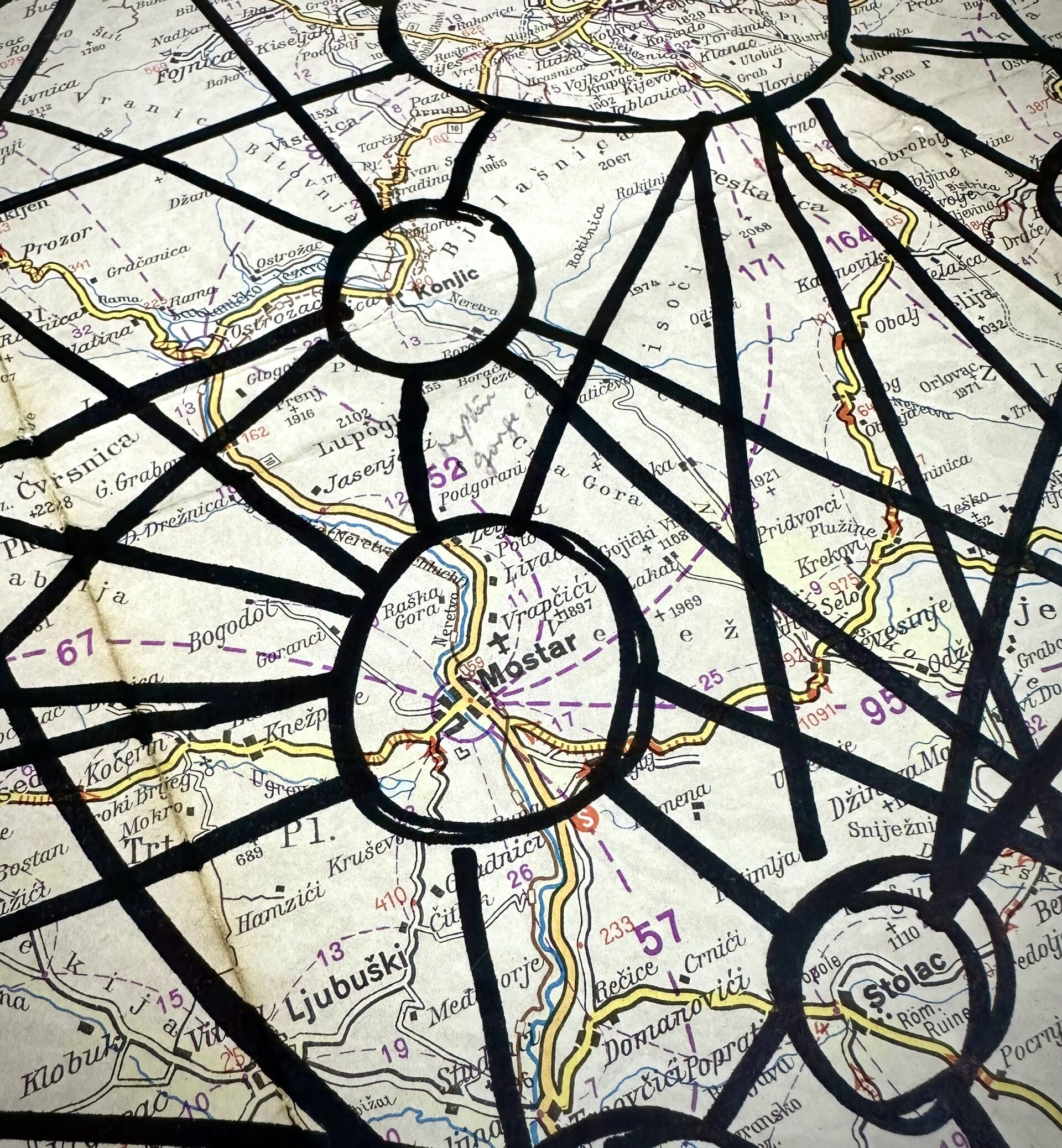
From a leisurely city break in Mostar to a multi-country journey through the Western Balkans, discover why the quieter months offer a different way to experience the region.
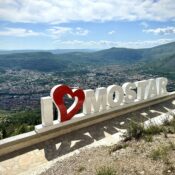
With the arrival of November and the winding down of the summer tourist season, we’ve found ourselves reflecting on our hometown of Mostar and the wider region as off-season travel destinations. While Mostar, Herzegovina, and much of the Balkans are overwhelmingly promoted as summer destinations, relatively little attention is given to their appeal during the quieter months. In many places, tourism infrastructure and visitor experiences have yet to be fully developed with off-season travelers in mind.
And yet, we believe there are plenty of reasons to visit Mostar outside of the summer months.
We have always felt that to truly know a place, you need to experience it through more than one season. The changing light, the weather, the rhythm of daily life, and the ways people occupy their streets and public spaces all reveal something about a place’s character.
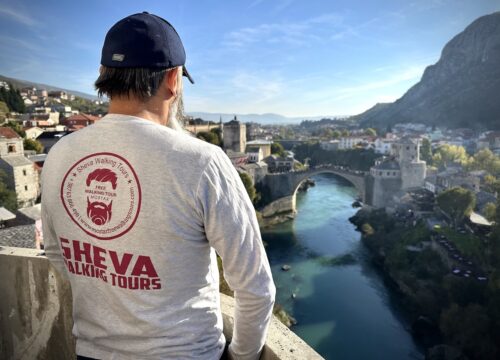
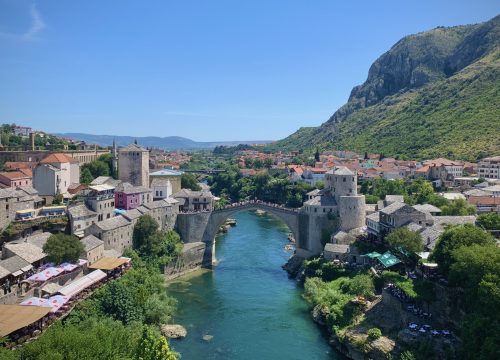
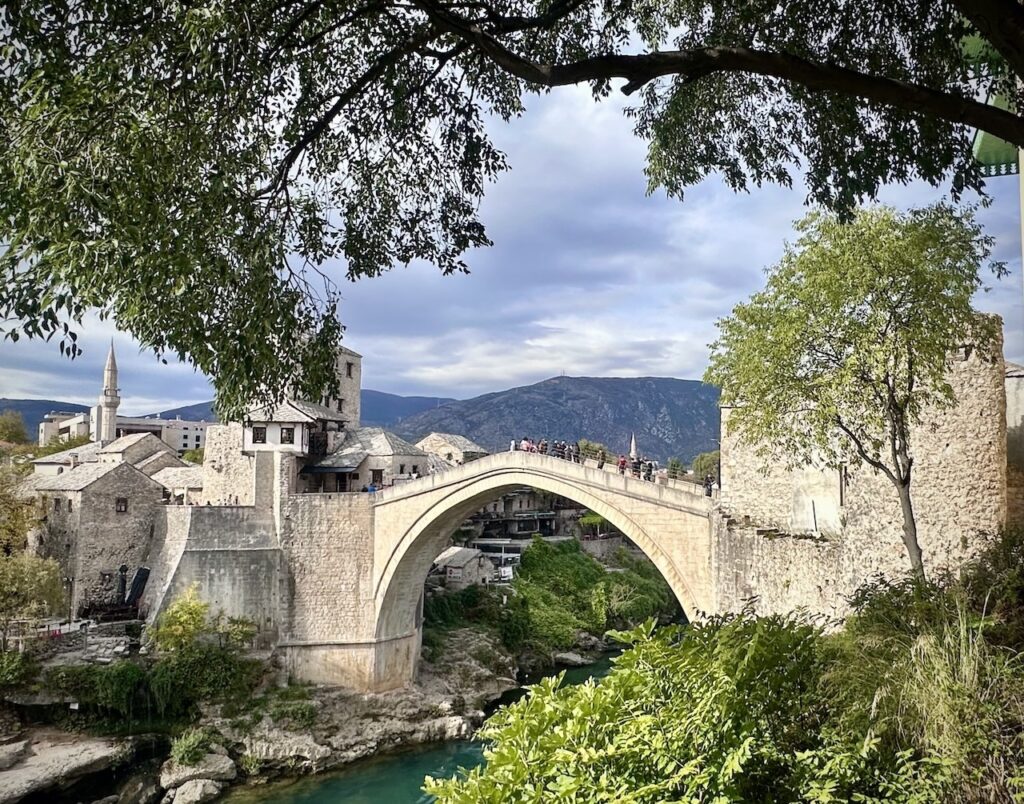
Here in Mostar, summer tends to dominate the imagination. Visitors picture the Old Bridge against a brilliant blue sky, the emerald waters of the Neretva River, and the lively streets of the Old Town. Outdoor cafés fill with travelers, bridge divers attract crowds, and the city hums with energy well into the night hours.
But as the days shorten and the crowds thin, another Mostar emerges. The light softens, the streets grow quieter, and the city settles into a different rhythm. There are misty mornings along the river, rainy afternoons that invite you indoors, and clear winter days when the surrounding mountains seem especially close.
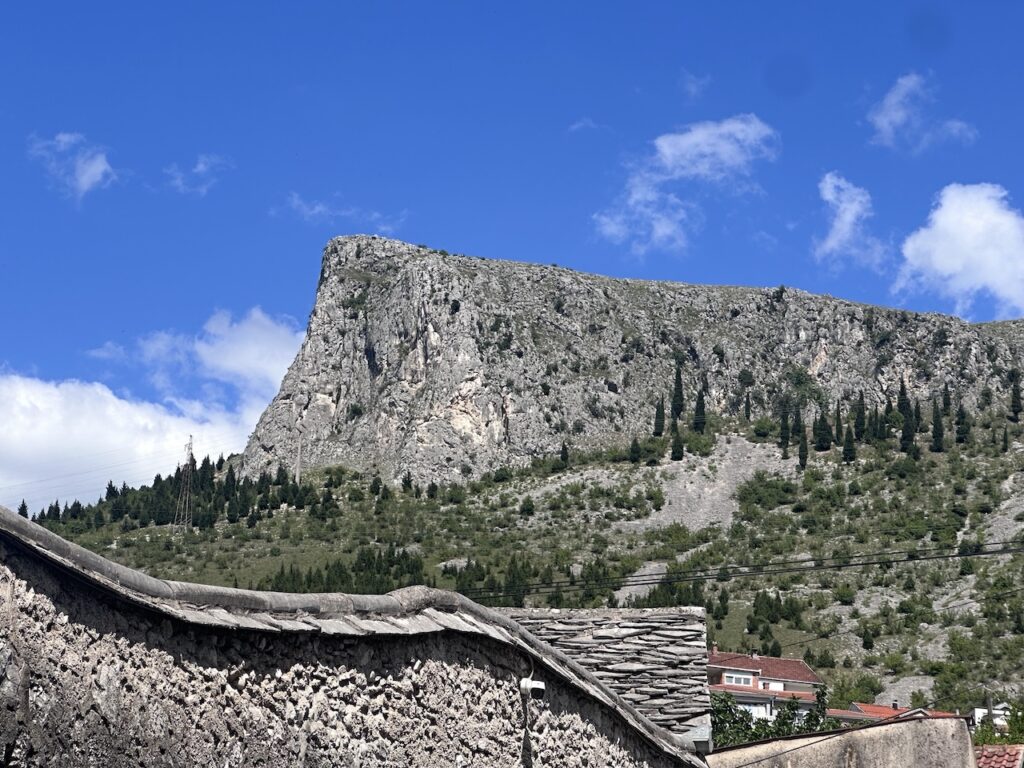
The same can be said of much of the Balkans. From the historic cities of Bosnia and Herzegovina to the coastal towns of Croatia and Montenegro and the mountain landscapes of the interior, the quieter months offer opportunities to discover places beyond their familiar summer identities. Traveling in the off-season is not simply about avoiding crowds or finding lower prices. It is about giving yourself the time and space to experience a destination differently.
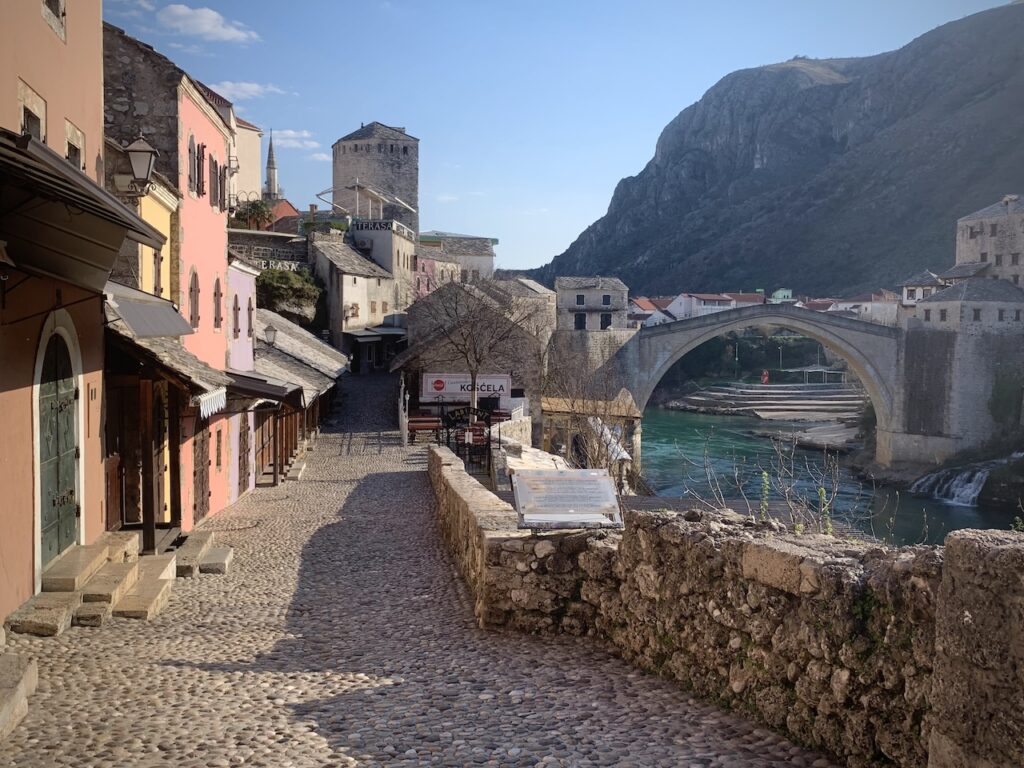
The Beauty of Traveling at a Different Pace
Summer travel often comes with a sense of urgency. There are attractions to see, excursions to fit into the schedule, and popular destinations competing for attention. When time is limited and the streets are crowded, even the most memorable places can become a series of stops on a hurried itinerary. The off-season invites a different approach.
Imagine lingering over a cup of Bosnian coffee without worrying about where you need to be next. Spending an afternoon in a museum because a particular exhibition caught your interest. Discovering a neighborhood bakery that you return to daily for your breakfast pastry. Browsing a traditional artisan’s workshop and having the artist tell you the history and significance of their art. Enjoying a long meal that stretches into the evening after meeting and sharing a table with another solo traveler. There is pleasure in having fewer plans and more time to follow your curiosity.
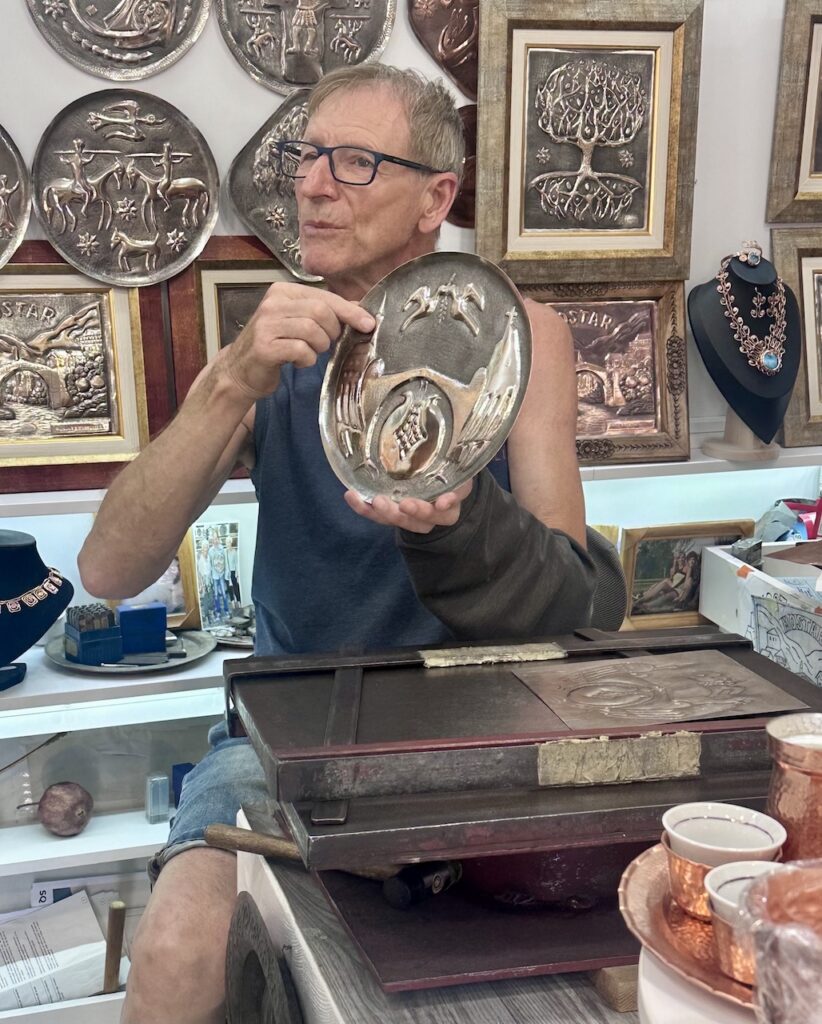
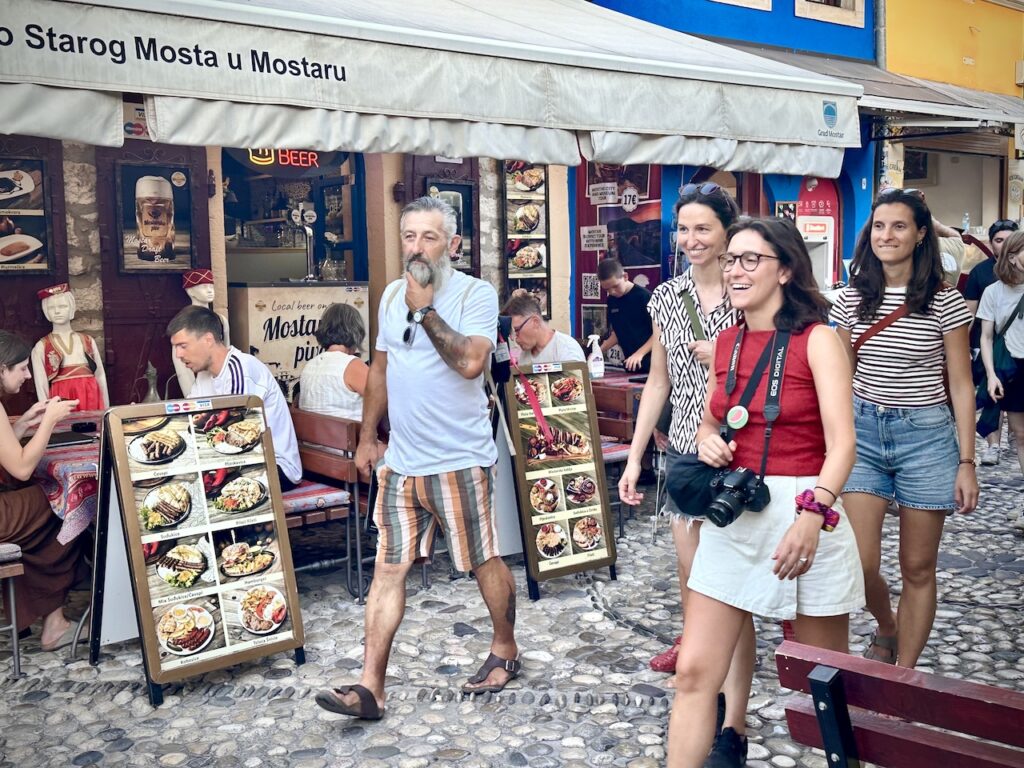
And while some tourist-oriented businesses reduce their hours or close seasonally, local life continues. Markets remain open, people meet for coffee, families gather for meals, and cities carry on with their everyday routines. While Mostar might be a tourist destination, it is first and foremost a lived-in city, home to an incredibly rooted and very local community. For travelers interested in more than sightseeing, these ordinary moments can be among the most memorable parts of a journey.
Mostar: A City Break Worth Taking in Any Season
Mostar’s compact historic center makes it an appealing destination for a short getaway. Many of its most recognizable landmarks are within walking distance, but the city’s history and cultural life extend well beyond the Old Bridge. A two- or three-night stay provides time to explore without rushing.
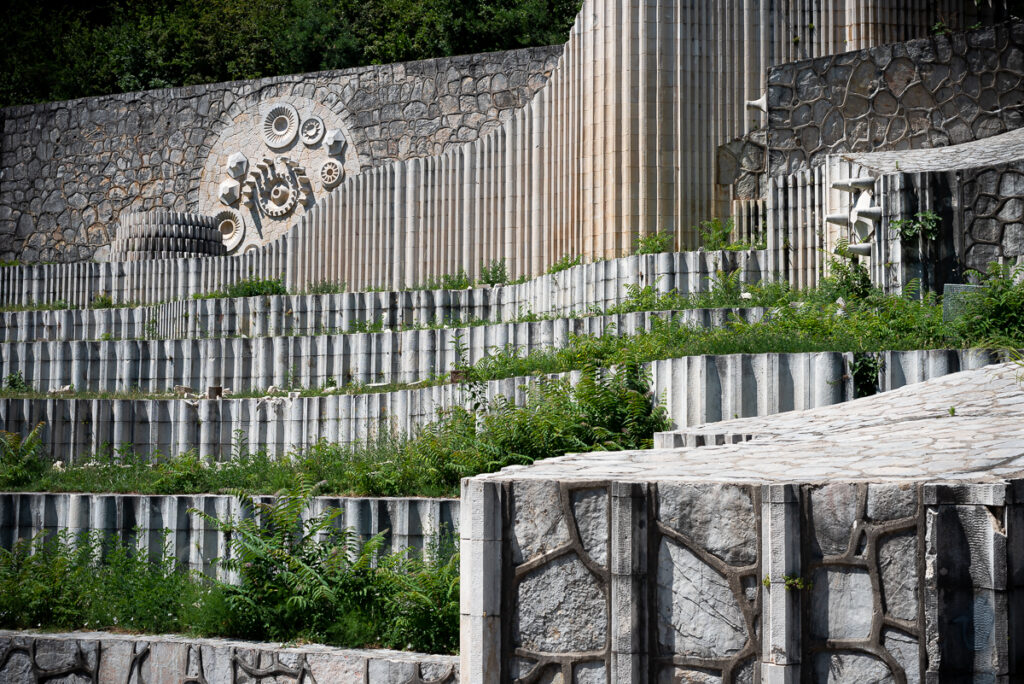
Begin with a guided walking tour to understand the city’s layered history, from its Ottoman origins and Austro-Hungarian development through the Yugoslav period, the conflicts of the 1990s, and contemporary life. Wander through the Old Town, cross the city’s bridges, and explore neighborhoods beyond the usual tourist routes.
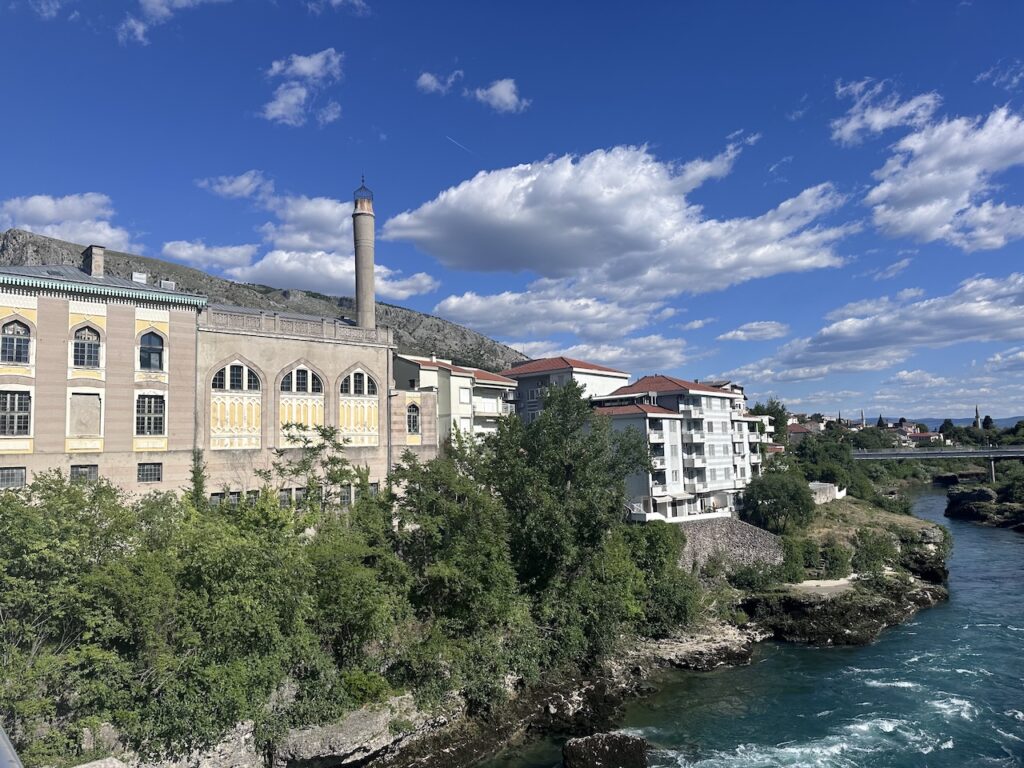
Set aside time for Mostar’s museums and cultural institutions. The Old Bridge Museum, War Photo Museum, historic houses, and other heritage sites offer different perspectives on the city’s architecture, traditions, and more recent history. Check seasonal opening hours before visiting.
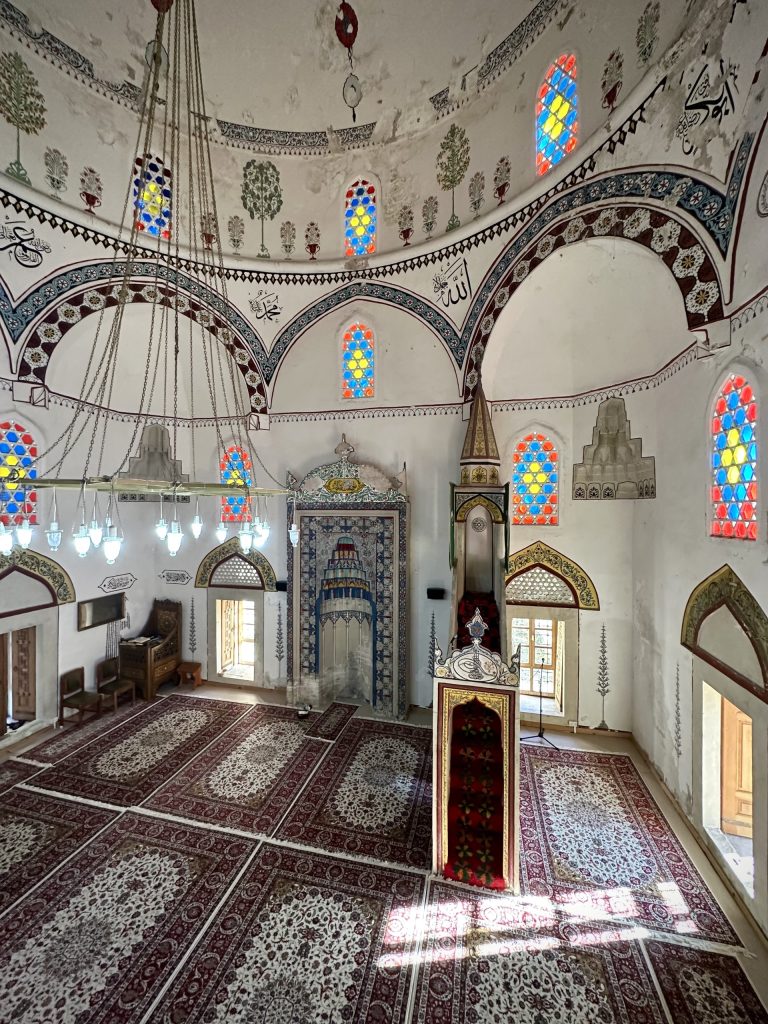
Food is another reason to take your time. Cooler weather makes hearty Bosnian and Herzegovinian dishes especially inviting, whether it’s a bowl of mučkalica, a platter of mixed grilled meats and vegetables, freshly baked pita, or a generous plate of traditional specialties such as dolma and sarma. Pair your meal with a bottle of local wine and finish with something sweet (and perhaps another coffee).
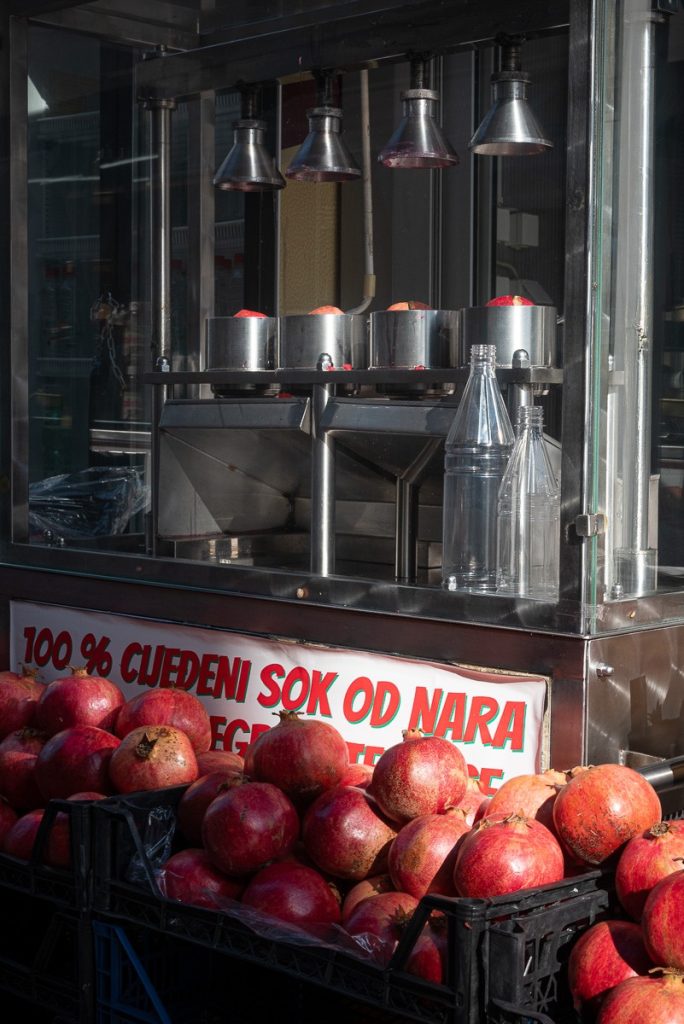
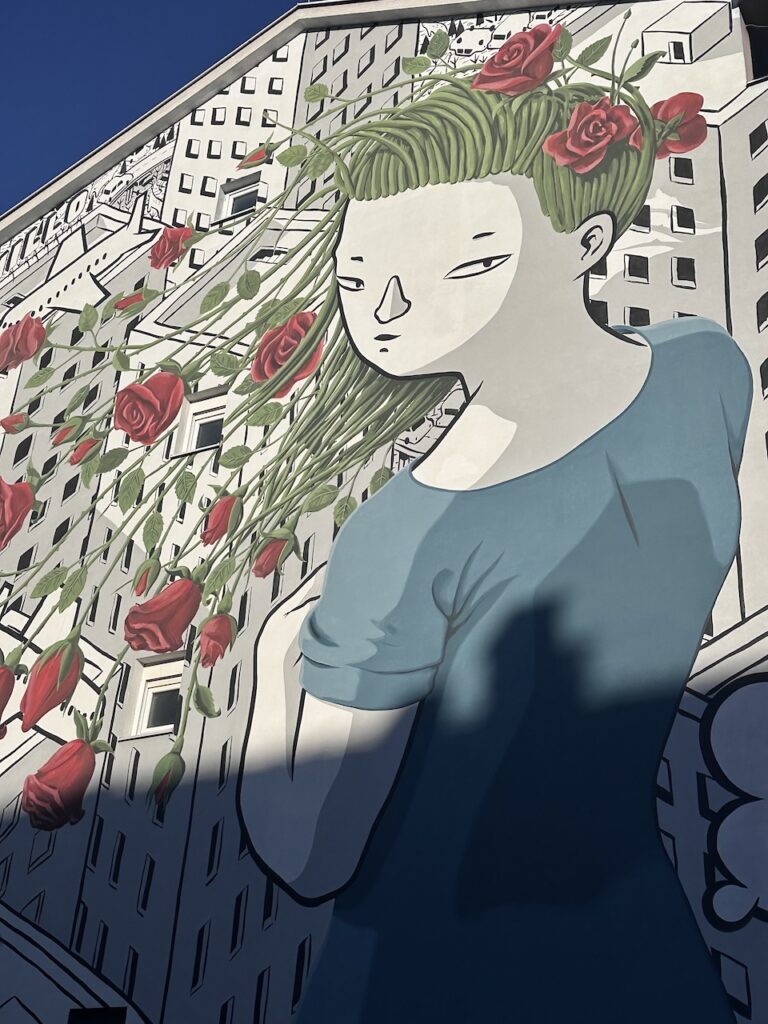
Mostar also rewards those who simply enjoy walking and observing. The city’s streets tell stories through their architecture, monuments, public spaces, and the contrasts between old and new. As you stroll the streets, stop for roasted chestnuts from a street vendor and try freshly squeezed pomegranate juice. Move beyond the UNESCO zone in search of the urban street art for which Mostar is increasingly being known.
Not every day will be sunny. Rain and the occasional cold wind are part of the season. But a change in weather can be an invitation to explore a museum, settle into a café, or discover another side of the city. The sunny days will invite you back onto the pedestrian streets or up into the hills to take in the view from a higher vantage point.
Beyond the Old Bridge: Exploring Herzegovina
One of the advantages of spending several days in Mostar is its proximity to the wider Herzegovina region. Within a relatively short journey, visitors can experience remarkable changes in landscape, architecture, and cultural heritage.
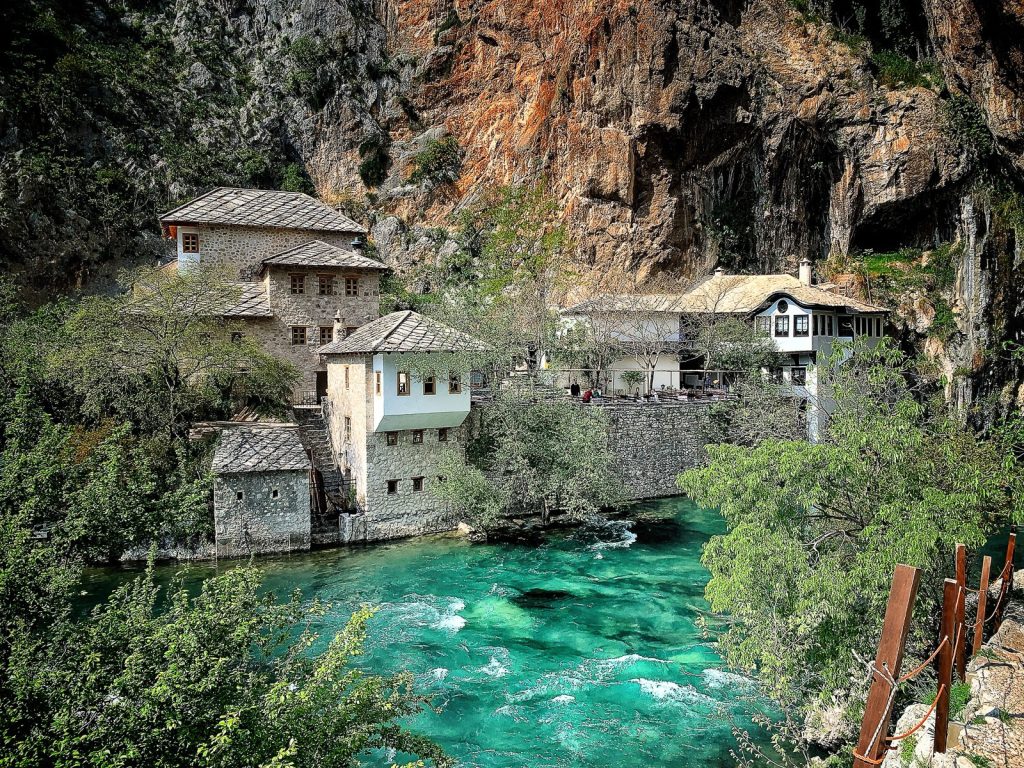
South of Mostar, Blagaj is home to the historic tekija perfectly situated beside the powerful spring of the Buna River. Without the summer crowds, there is more opportunity to appreciate the relationship between the historic buildings, water, and dramatic cliffs. With the cooler temperatures, the short hike up to Stjepan Grad (the ruined fortress overlooking the valley) becomes incredibly inviting. It might be the only time you get a fortress all to yourself! Pack a thermos of coffee or tea and bring something fresh from a local bakery; enjoy a picnic with the view of Blagaj spread out below you.

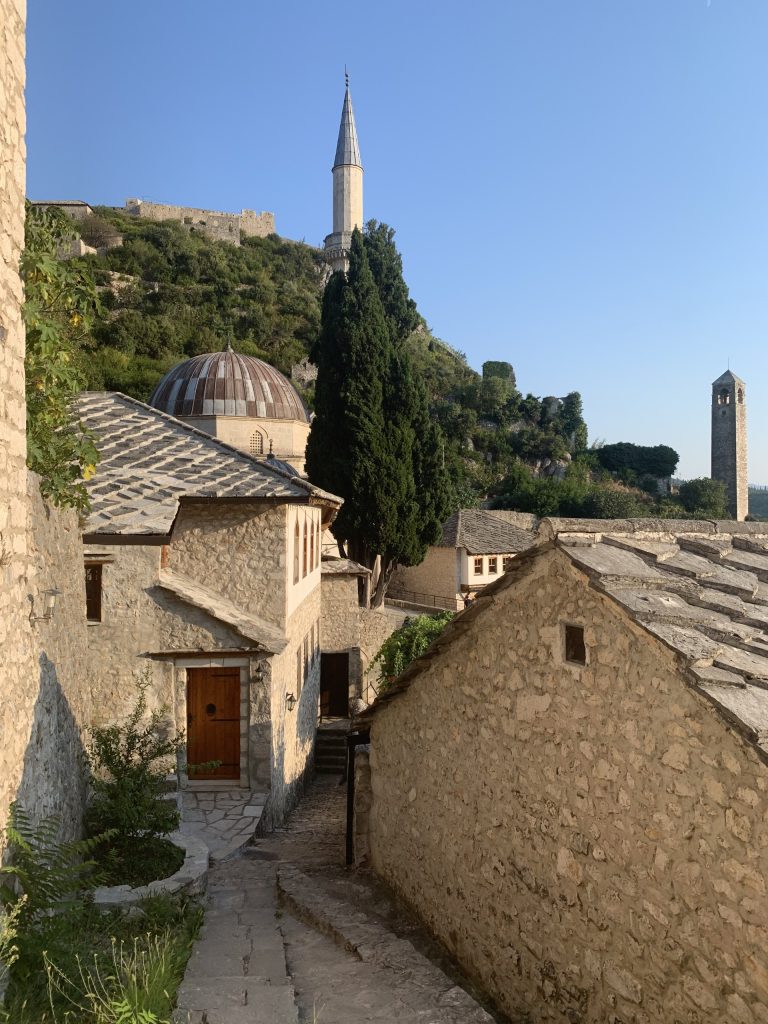
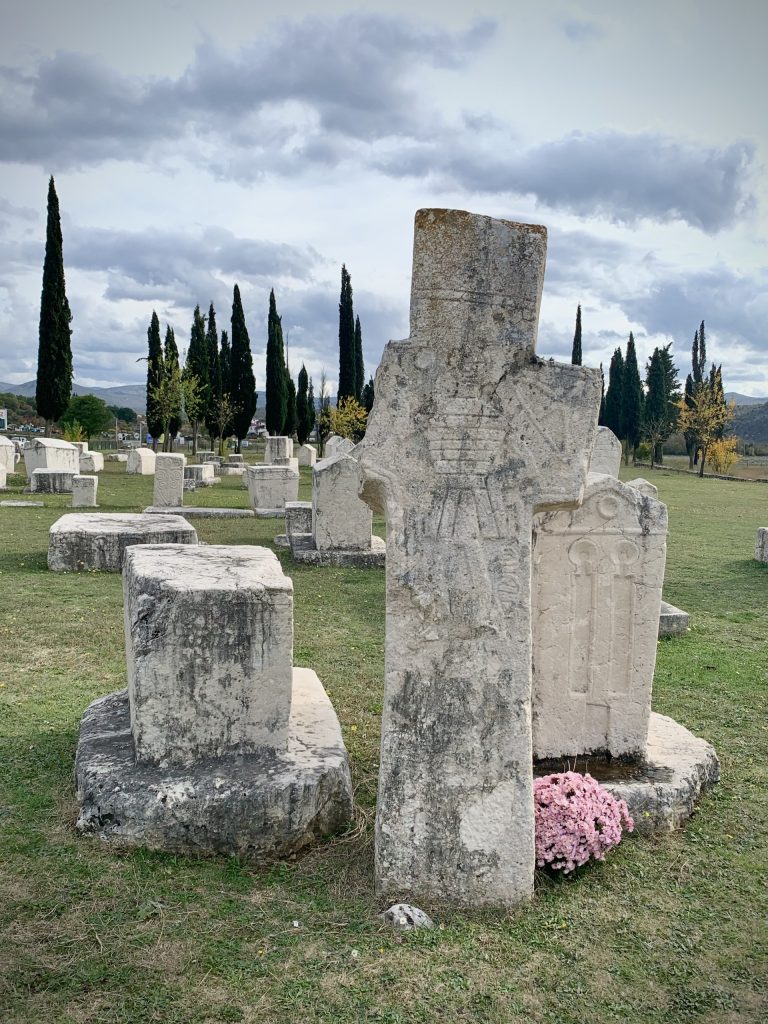
Journey further and take the time to explore the spiritual and natural heritage of Žitomislići Monastery and Bunski Kanal prior to arriving at Počitelj. Počitelj’s stone houses, narrow lanes, and historic fortifications rise above the Neretva Valley. The town’s architecture and setting – a literal museum under the open sky – make it a rewarding place to explore at a slower pace. Only about 45 minutes from Mostar, Stolac offers yet another perspective on the region with its historic neighborhoods, archaeological heritage, and nearby medieval stećci necropolises.
Kravica Waterfalls, best known as a summer swimming destination, take on a different character in the cooler months. Although swimming and some visitor services are seasonal, the surrounding landscape can be especially atmospheric with the natural environment taking center stage during the winter.
Throughout Herzegovina, small towns, villages, monasteries, vineyards, historic religious sites, and local food traditions provide opportunities to discover places that are easily overlooked during a hurried summer visit. A day excursion can introduce you to several of these destinations, but travelers with more time may prefer to explore them individually.
A Weekend Away or a Journey Across Borders
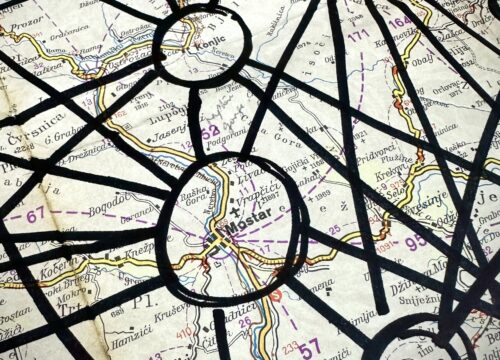
Mostar also occupies an appealing position for travelers planning a longer journey through the Western Balkans. Bosnia and Herzegovina shares borders with Croatia, Montenegro, and Serbia, with Mostar sitting between Sarajevo and the Adriatic coast. This makes it possible to combine several distinct destinations within a single regional itinerary.
Sarajevo and Mostar: Two Cities, Many Stories
A journey between Sarajevo and Mostar offers an introduction to Bosnia and Herzegovina’s diverse cultural and historical landscapes. Sarajevo’s museums, historic neighborhoods, religious architecture, and vibrant café culture complement Mostar’s more intimate scale and distinctive Herzegovinian setting.
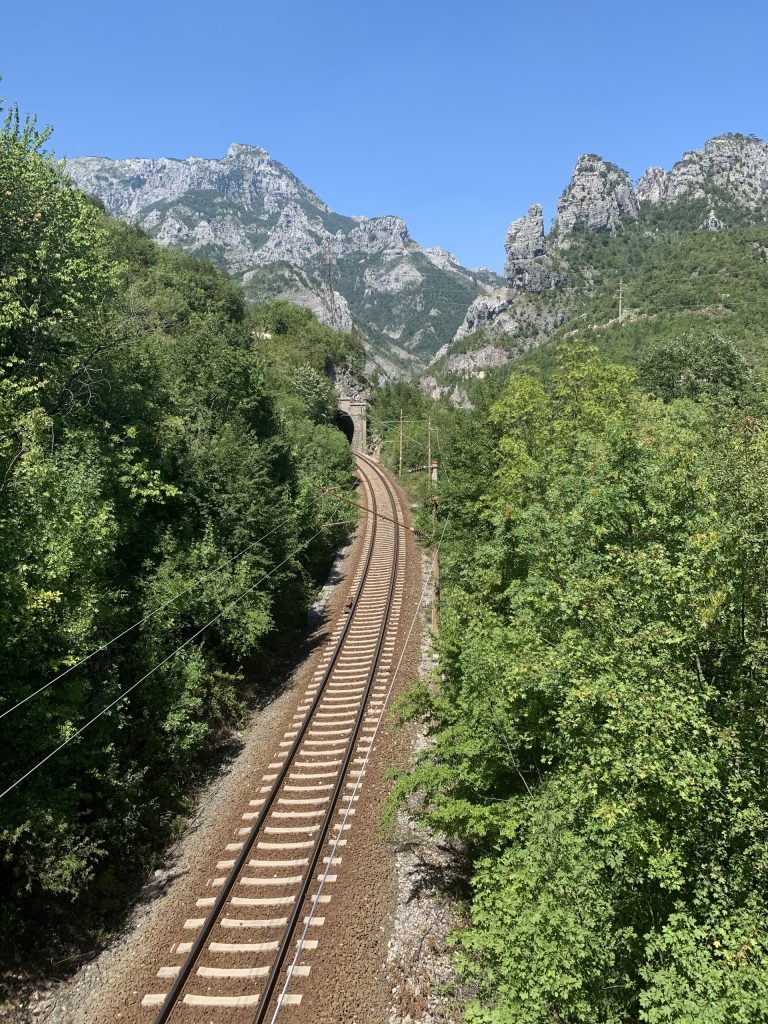
The journey between the two cities, especially if made by train, is itself memorable, following the Neretva Valley through mountain scenery. Travelers can combine the cities with visits to Konjic, Jablanica, or other destinations along the way. Because Sarajevo is further north and inland, the area can be especially attractive to travelers who prefer colder climates and the possibility of snow and winter activities. Bjelašnica and Jahorina, the mountains just outside of Sarajevo, offer possibilities of true winter getaways.
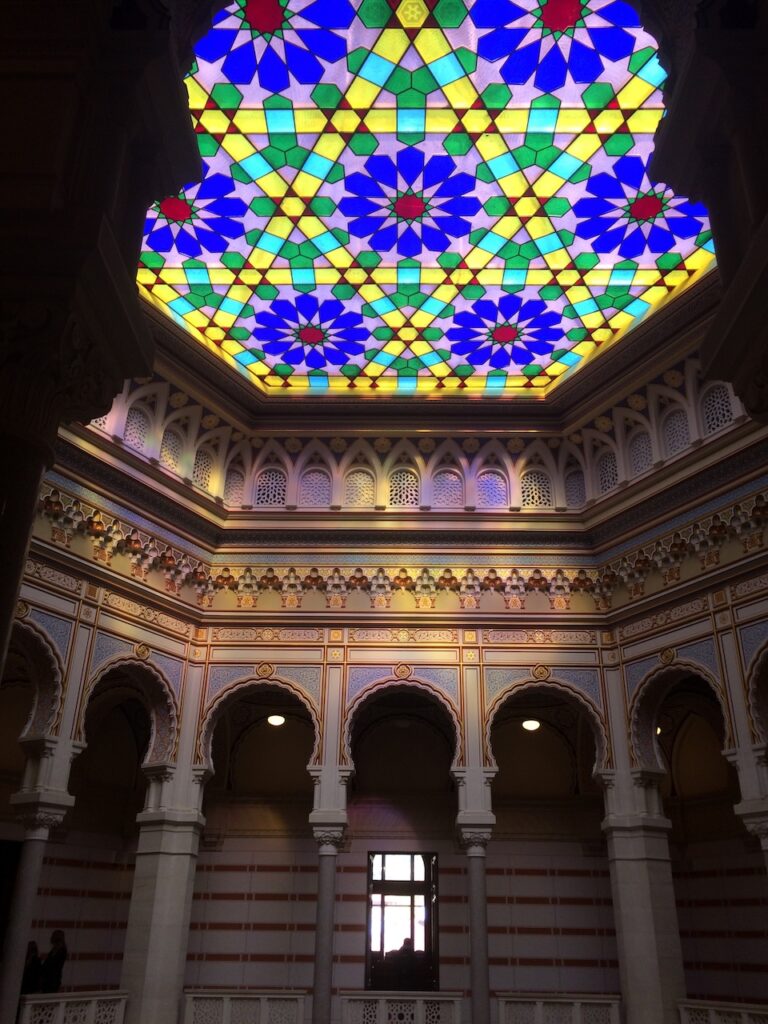
From the Adriatic Coast to Herzegovina
Dubrovnik and Split are among Croatia’s best-known summer destinations, but their historic centers are equally worthy of exploration during quieter months.
Without the intensity of peak-season tourism, visitors can spend more time appreciating their architecture, museums, and local neighborhoods. From either city, Mostar provides a contrasting inland experience, connecting the Mediterranean influences of the coast with the Ottoman, Central European, and Balkan histories of Herzegovina.
Across Bosnia and Herzegovina, Croatia, and Montenegro
For those with more than a week to dedicate to their travels, a journey connecting Dubrovnik, Mostar, and Kotor offers an introduction to three neighboring countries.
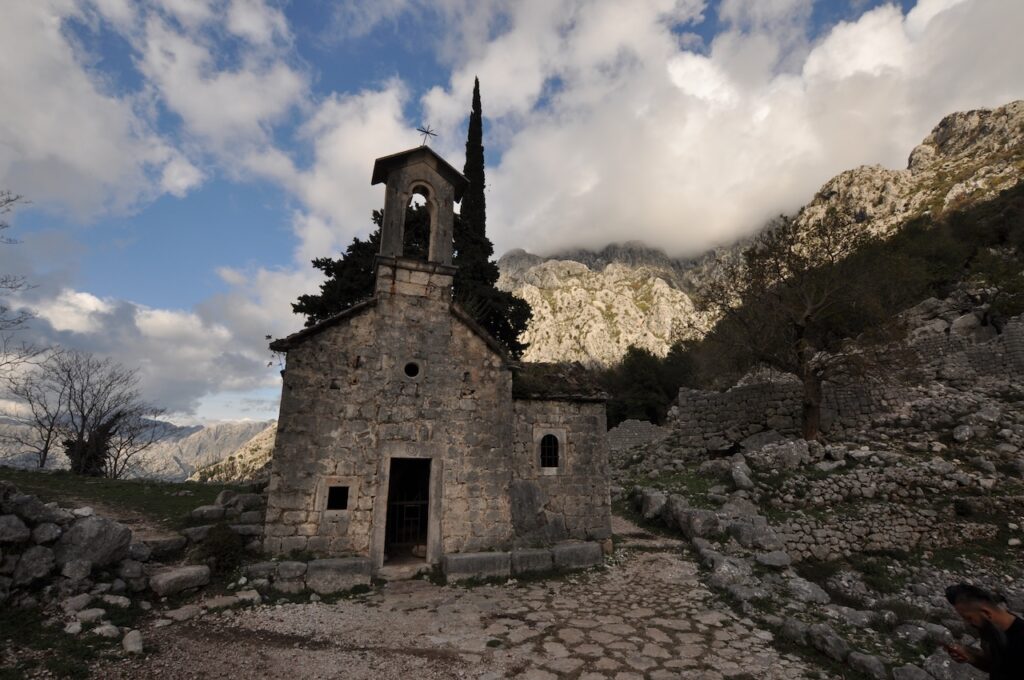
Historic coastal towns, river valleys, mountain landscapes, and culturally distinct cities can all form part of the same trip. Travelers with additional time might continue into Montenegro’s interior, Serbia, Albania, or other parts of the region. The possibilities are extensive, but the goal need not be to visit as many countries as possible. Sometimes a smaller number of destinations, explored more thoroughly, makes for a more rewarding journey.
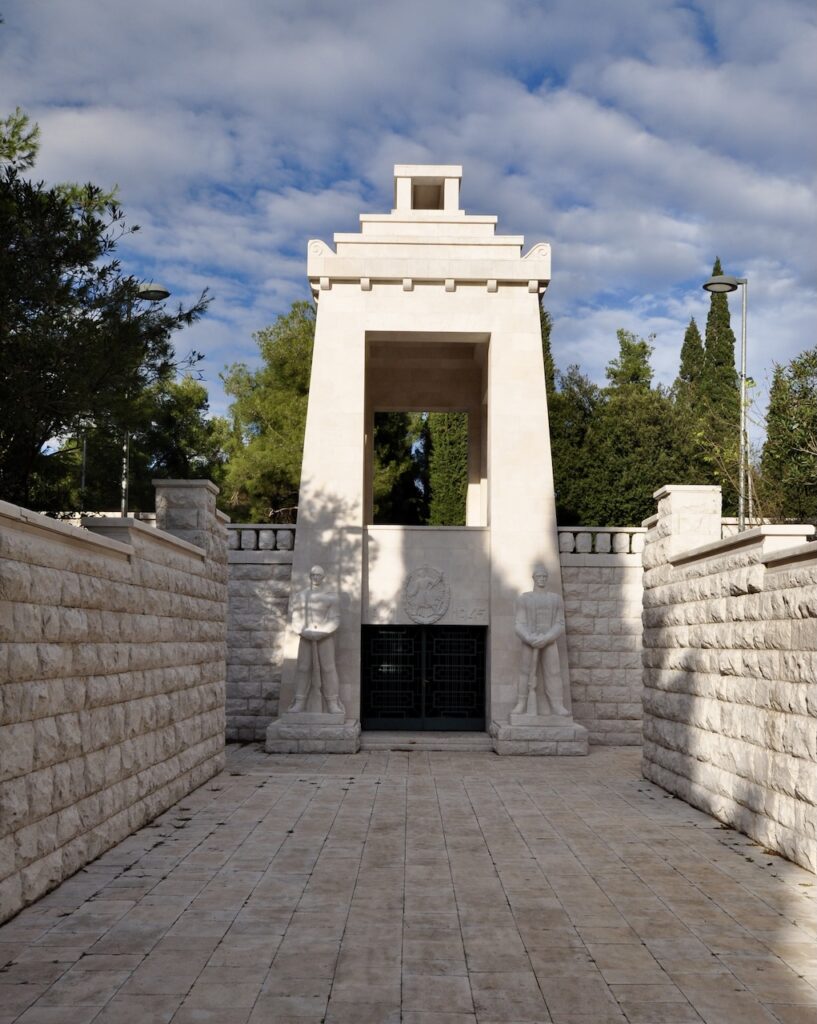
During the off-season, it’s particularly important to allow flexibility. Shorter daylight hours, changing weather, reduced transport schedules, and seasonal closures can affect travel plans. Cross-border journeys also require attention to entry requirements. A thoughtfully planned itinerary leaves room for both the expected and the unexpected.
Stay a Little Longer: Mostar for Slow Travelers and Remote Workers
Not every journey needs to be measured in days. For travelers with flexible schedules, freelancers, remote professionals, and those taking extended working holidays, the quieter months offer an opportunity to spend several weeks getting to know Mostar.
The city’s relatively compact size makes it possible to develop a daily routine without needing a car for every activity. Cafés, restaurants, markets, and historic neighborhoods are often within walking distance, depending on where you stay. Local buses or taxis are cost effective solutions for visiting nearby towns of interest.
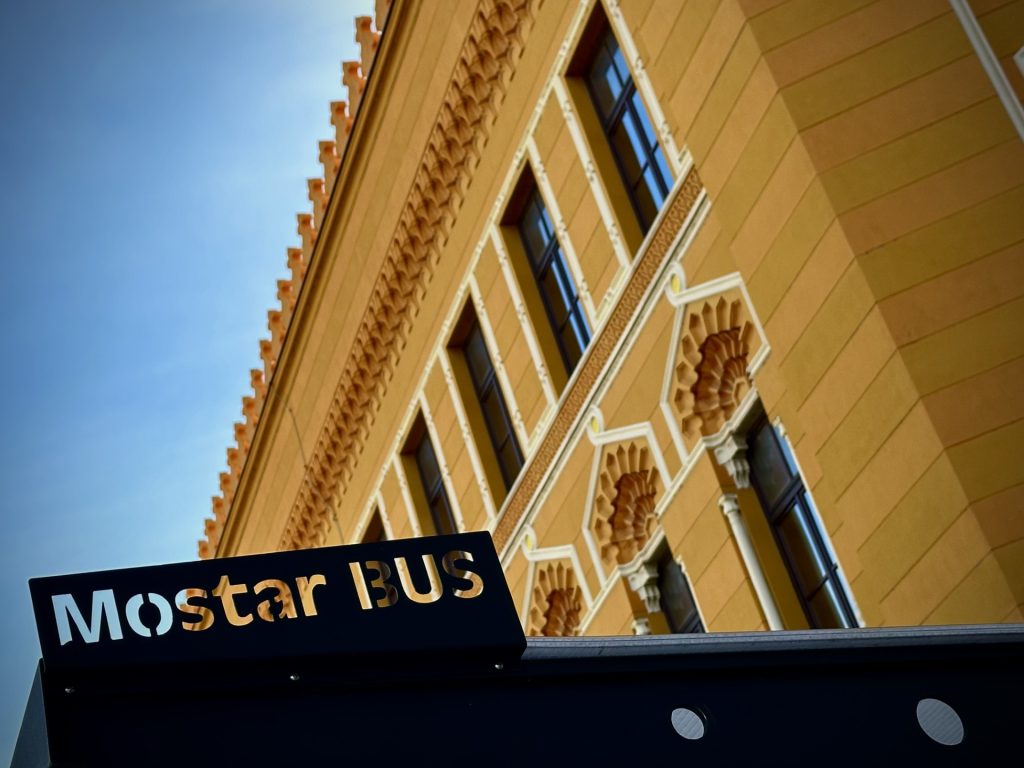
Imagine beginning your morning with coffee, spending a few hours working, and then heading out to explore the city. Afternoons might be devoted to photography, museums, riverside walks, or simply discovering a new neighborhood. Weekends offer opportunities for excursions into Herzegovina or longer trips to neighboring cities and countries.
Extended stays can also offer better value than constantly moving between destinations, particularly when suitable monthly accommodation rates are available outside peak season. For remote workers, it is worth checking the reliability of internet connections, heating, workspace arrangements, and accommodation facilities before committing to a longer rental.
There is also a practical consideration for travelers spending extended periods in Europe.
Bosnia and Herzegovina is not part of the Schengen Area. For visitors subject to the standard Schengen allowance of 90 days within any rolling 180-day period, time spent in Bosnia and Herzegovina does not count toward those Schengen days.
This can make the country an attractive addition to a longer European journey, although spending time outside Schengen does not automatically reset the allowance. Bosnia and Herzegovina has its own immigration rules, including separate limits on visa-free stays, and visitors should confirm whether their planned remote work is permitted under their immigration status.
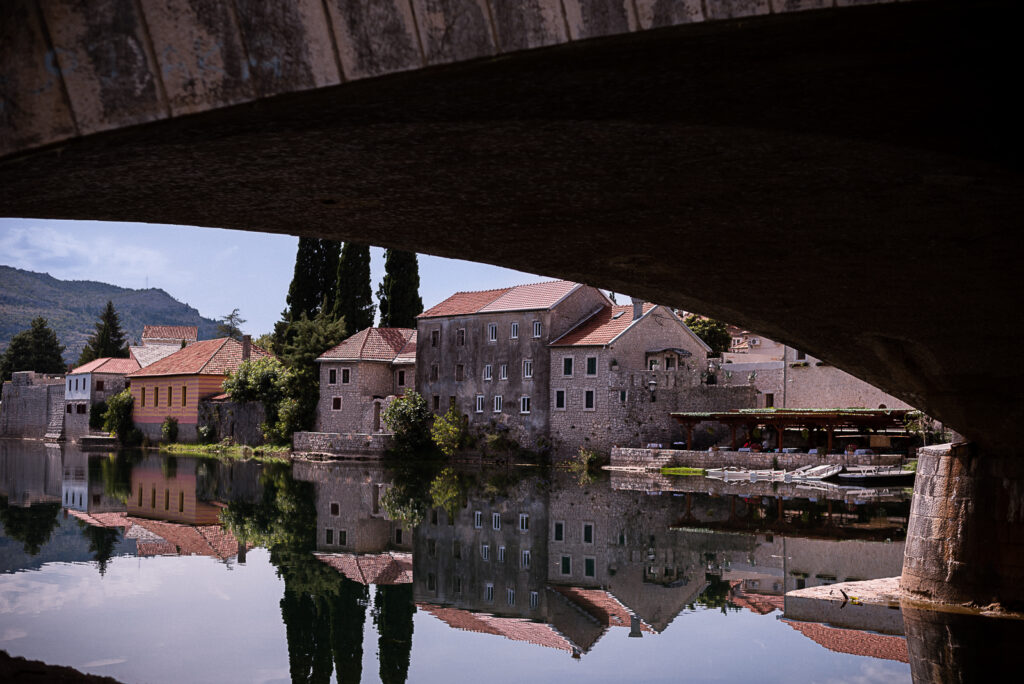
But beyond the practicalities, an extended stay offers something more meaningful: the chance to move beyond being a visitor and become familiar with the everyday rhythms of a place. You will quickly begin to recognize faces, discover favorite cafés, learn a few words of the local language, and notice details that might escape you during a short holiday. If you are planning ahead and are eager to learn some of the local language, let us know and we can point you toward local teachers who can provide in-person or online classes.
What to Expect When Traveling Off-Season
The Balkans are geographically diverse, and there is no single off-season experience.
In Herzegovina and along the Adriatic coast, winters are often relatively mild compared with the mountainous interior, although rain, wind, and occasional snow can still affect travel. In Sarajevo and higher-elevation destinations, colder temperatures and snowfall bring a different set of opportunities, including winter sports, mountain excursions, and seasonal cultural activities.
Late autumn, midwinter, and early spring each have their own character. Travelers should also expect some practical differences from the summer season. Certain restaurants, accommodations, museums, and attractions may operate reduced hours or close temporarily. Public transportation and cross-border services may be less frequent, and daylight hours are shorter.
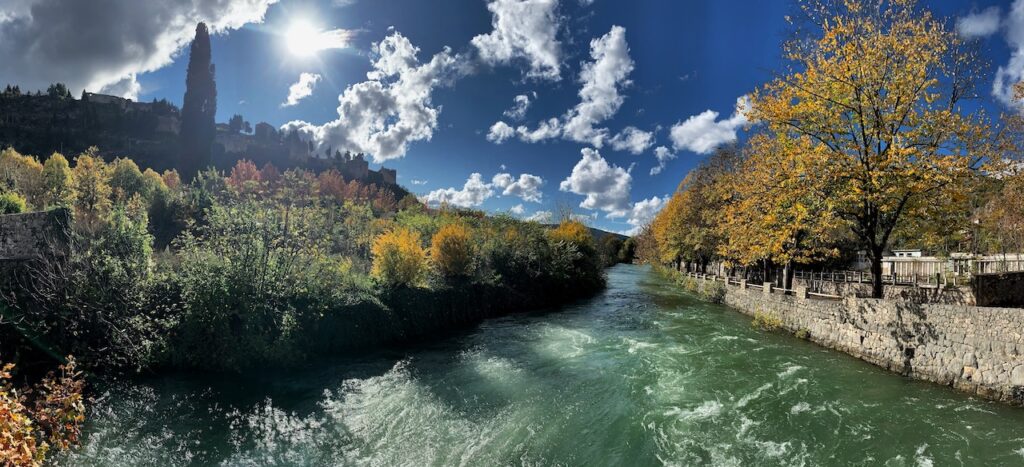
A little advance planning makes a difference, particularly when visiting smaller towns or combining several countries. Pack layers, comfortable waterproof shoes, and clothing suitable for changing weather. Check opening hours and transport connections before setting out. And perhaps most importantly, leave some flexibility in your schedule.
A rainy day does not have to be a lost day. It might simply be the perfect opportunity for another museum, a leisurely lunch, or an afternoon spent watching the city from a café window.
Travel That Supports Communities Year-Round
There is another compelling reason to consider traveling outside the busiest months: the benefits for local communities.
In destinations where tourism is concentrated into a relatively short summer season, businesses and workers often experience significant fluctuations in demand. Restaurants, shops, accommodation providers, guides, artisans, and other small businesses must earn much of their annual income within just a few months. But this does not have to be the case.
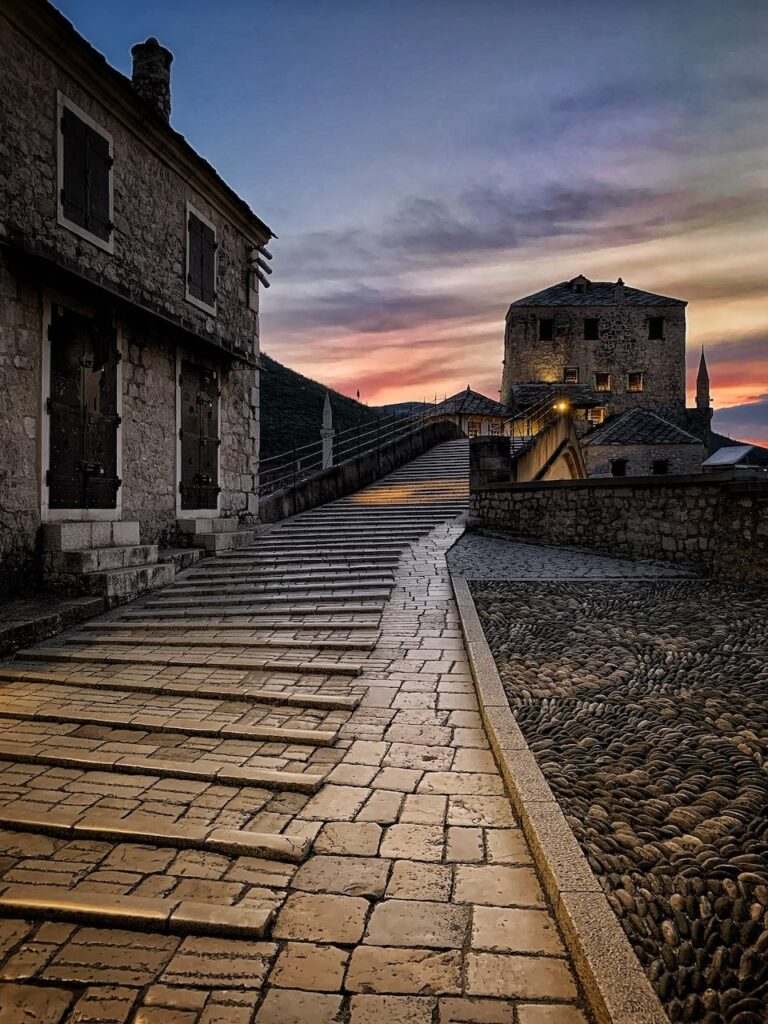
As more travelers choose to visit Mostar and the wider region during the quieter months, we believe the off-season itself can begin to change for the better. Greater year-round demand can encourage businesses to remain open longer, support the development of new activities and cultural events, create more stable employment opportunities, and strengthen the local economy.
It can also help make tourism more sustainable, both economically and socially. Rather than concentrating visitors into a few intensely busy summer months, a more balanced tourism calendar would distribute the benefits and pressures of tourism more evenly throughout the year.
And the benefits extend to visitors themselves. More restaurants and shops open, more cultural activities and events, and a wider range of experiences would make the quieter months increasingly attractive.
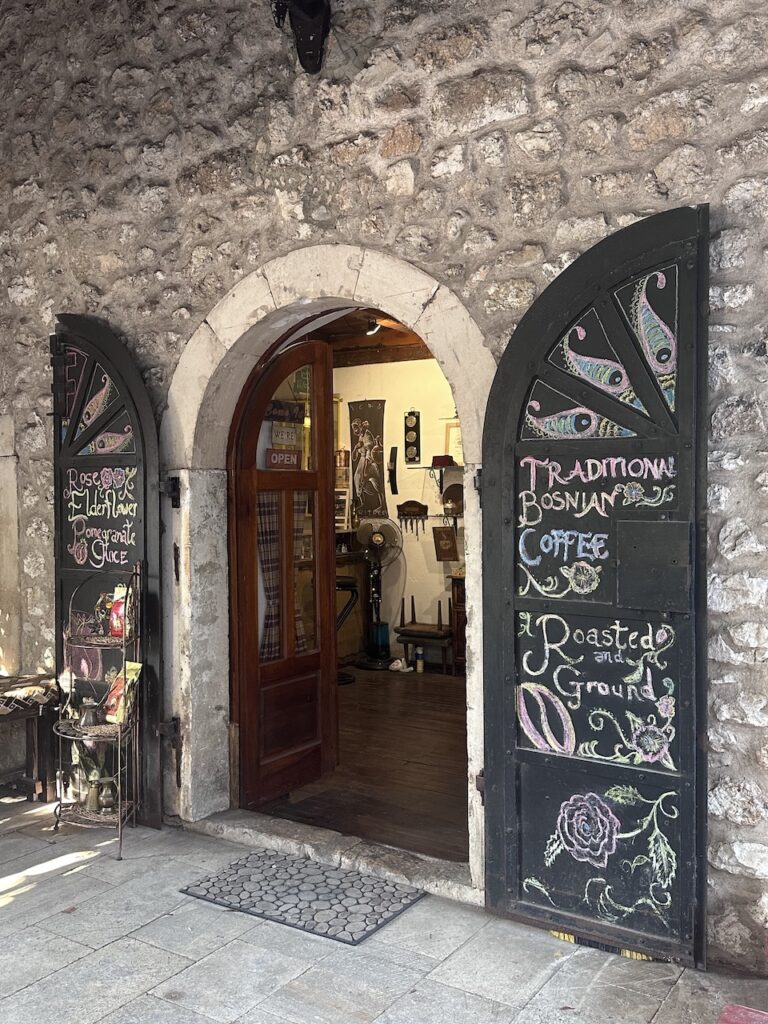
It is a positive feedback cycle: more off-season visitors encourage more year-round offerings, which in turn give travelers even more reasons to visit. Of course, this kind of change takes time, investment, and cooperation across the local tourism sector. But it can begin with something as simple as choosing to travel at a different time of year.
Ultimately, spreading tourism more evenly throughout the year has the potential to create a better experience for everyone: visitors, local businesses, and the communities that call these places home.
Discover Mostar and the Region with Sheva Walking Tours & Travels
At Sheva Walking Tours & Travels, we believe that understanding a place means looking beyond its landmarks. It means learning about the people who have shaped it, the histories that continue to influence it, and the traditions and everyday experiences that give it character. That is why we continue offering walking tours throughout the quieter months.
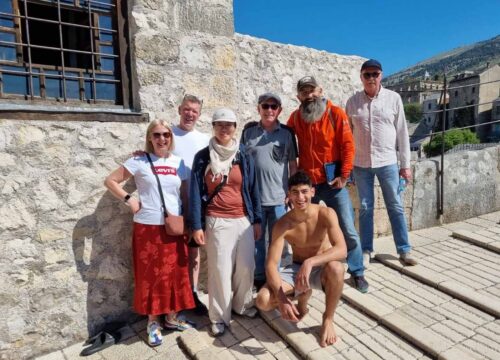
Our daily walking tour during the off-season departs at 11:00 AM, meeting in front of the Old Hamam (now the War Photo Museum) in Mostar’s Old Town. This tour provides an understanding of Mostar’s past and present while orienting you to the city itself with local suggestions on activities, shopping, food, and entertainment. Learn more and book here.
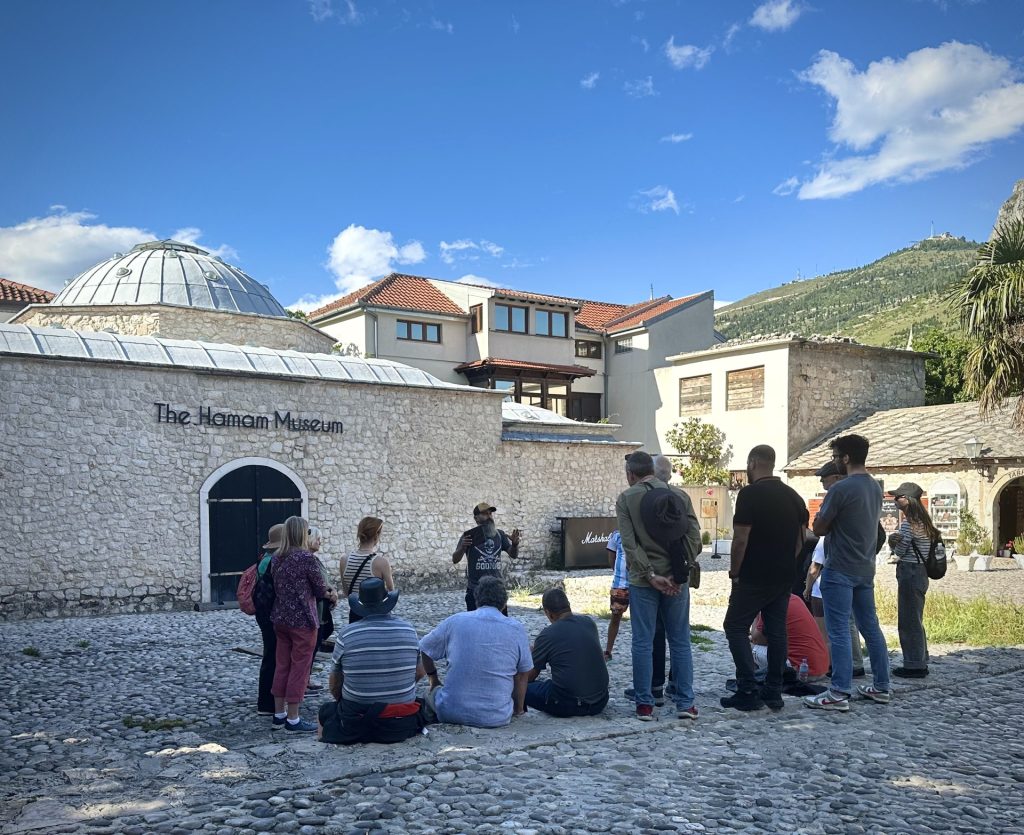
We also offer private walking tours tailored to your interests, schedule, and pace, whether you’re interested in architecture, cultural heritage, modern history, or simply discovering more of the city. For those exploring beyond Mostar, we can also help arrange private and group excursions throughout Herzegovina, customized transfers, and travel experiences connecting Mostar with other destinations in Bosnia and Herzegovina and neighboring countries.
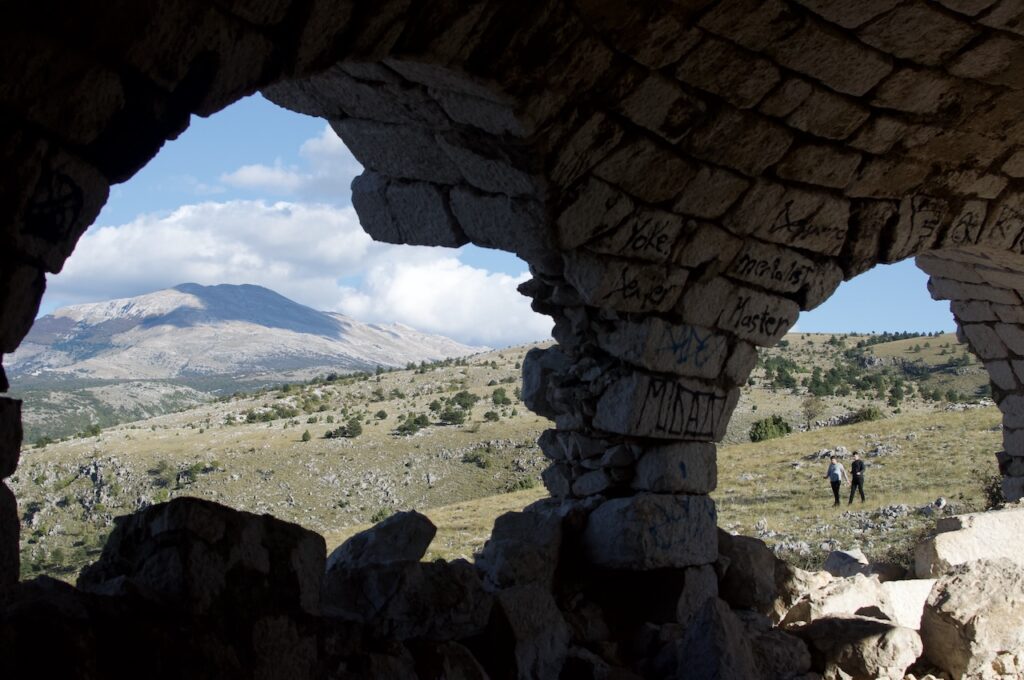
Whether you’re planning a weekend city break, a multi-country Balkan journey, or an extended stay, we’d be delighted to help you discover this part of the world.
Because a place does not become less interesting when the tourist season ends. It simply reveals another side of itself.
Plan your visit with Sheva Walking Tours & Travels
Sheva Walking Tours & Travels Website: www.mostarfreewalkingtours.com
Daily walking tour bookings: https://mostarfreewalkingtours.com/tours/walking-tours/free-walking-tours/shevas-original-free-walking-tour-of-mostar/
Private tours, excursions, and customized transfers: info@mostarfreewalkingtours.com